02 Sep 2026
The Impact of El Niño on the Coast of Peru
Read more



Summer marks the beginning of one of the busiest periods for the fish and seafood sector. Increased population mobility, the influx of domestic and international tourists and the rise in out-of-home dining all contribute to higher demand during June, July and August, particularly in coastal areas and major tourist destinations.
This surge in demand places greater pressure on every link in the supply chain, from producers and wholesalers to distributors, retail chains and points of sale. In this context, strengthening supply planning becomes essential to meet the needs of a more dynamic market and ensure product availability throughout the peak season.
However, beyond the increase in volume, summer also reshapes consumer preferences. According to the latest Fishing Month by Month report published by Spain’s Ministry of Agriculture, Fisheries and Food on household consumption of seafood products, certain species such as gilthead seabream (+19.5%) and turbot (+52.1%) recorded particularly strong growth. Within the shellfish, mollusc and crustacean category, cooked products stood out with a 28.1% increase.
These figures show how, at the start of the summer season, consumers shift their purchasing habits towards products and formats that offer greater convenience. This trend is also reflected across the distribution sector, which adapts its product offering to meet evolving market needs.
In this context, certain product categories experience particularly high turnover during the summer thanks to their versatility and their presence in many seasonal dishes. These include cephalopods such as squid and cuttlefish, crustaceans—especially the different varieties of shrimp and prawns—and blue fish such as salmon. In our experience, this increased demand is driven by the adaptability of these products to a wide range of summer recipes, from Mediterranean classics such as paella and fideuá to tapas-style offerings.
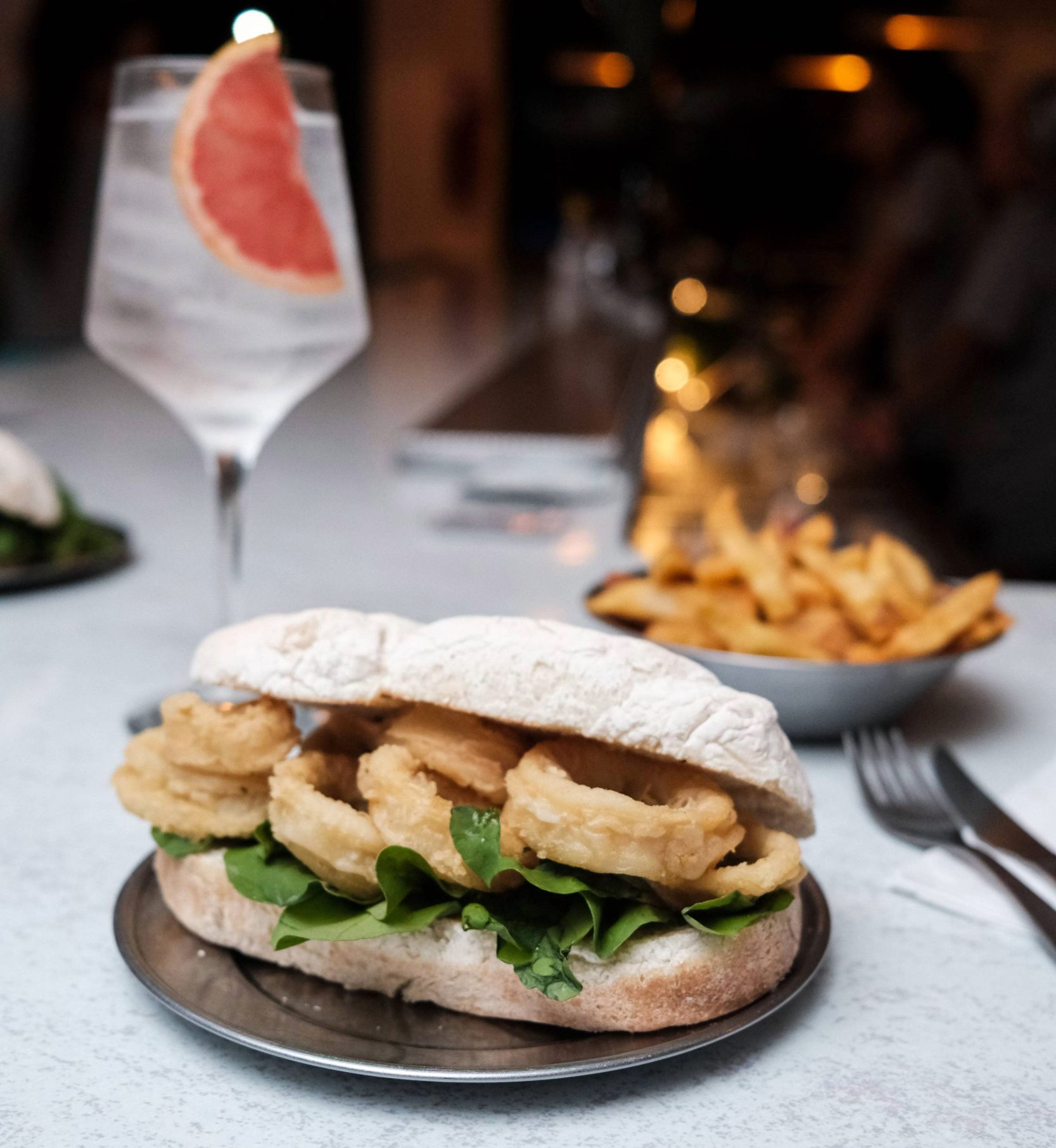
We have also observed that value-added and further-processed products gain greater relevance during this period. Portioned, filleted, prepared and ready-to-cook formats meet the growing need to optimise preparation times in kitchens, improve operational efficiency and reduce food waste at a time of year when wastage tends to increase.
Ultimately, summer represents both a commercial opportunity and a challenge in product management. Anticipating purchasing needs and selecting the most appropriate product formats are therefore essential to responding effectively to market demand, ensuring continuity of supply and delivering an agile and efficient service to customers throughout the busiest months of the year.