02 Sep 2026
The Impact of El Niño on the Coast of Peru
Read more



For many years, analysing the salmon market largely meant monitoring developments in Norwegian production. As the world’s leading producer of Atlantic salmon, any fluctuation in Norway’s harvest had a direct and almost immediate impact on international prices.
Today, however, that perspective is no longer sufficient. The market has become far more global and complex, and prices can no longer be explained solely by supply. Trade flows between Europe, the Americas and Asia, together with international demand, now play a decisive role in shaping market equilibrium.
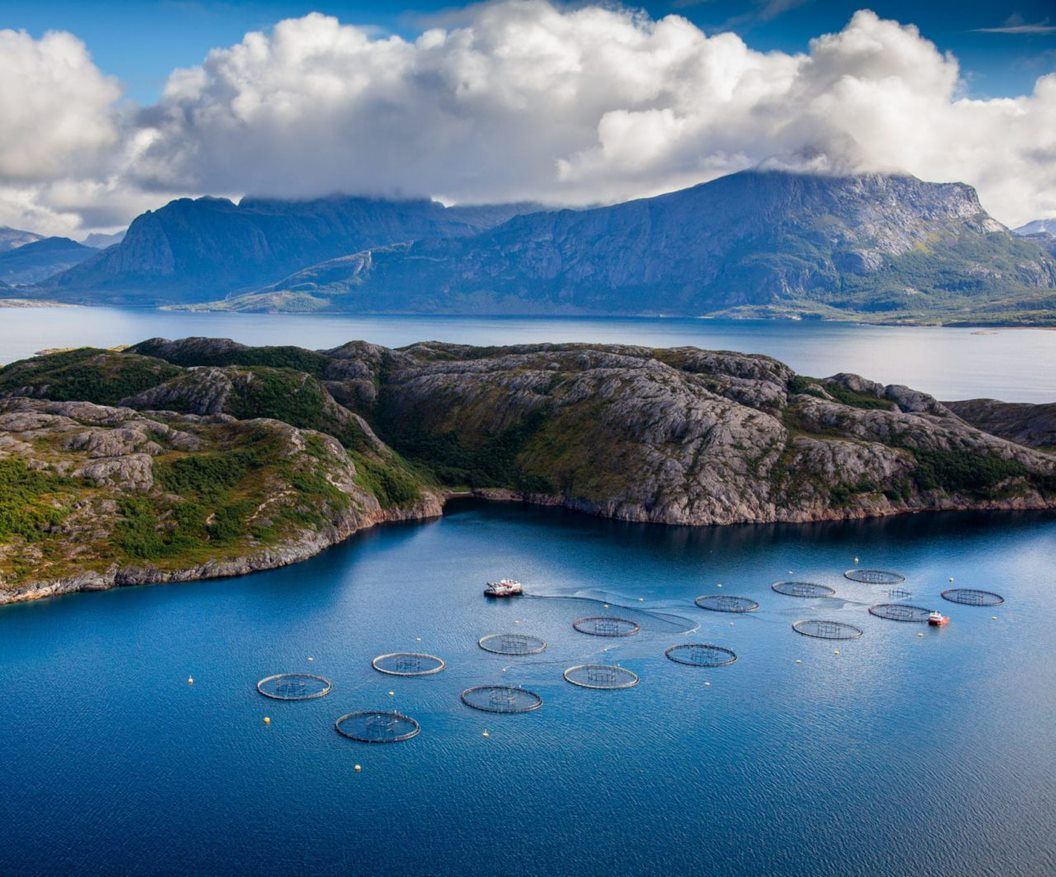
Norway is the world’s second-largest exporter of aquatic animal products and, together with Chile, remains the leading exporter of salmon, accounting for almost half of the global value of international salmon exports. This is highlighted in the FAO’s The State of World Fisheries and Aquaculture 2026 report.
Norwegian production levels continue to influence global supply. When harvest volumes increase, more salmon becomes available on the market, easing upward pressure on prices.
Greater product availability generally strengthens buyers’ negotiating position and encourages more competitive pricing. However, this effect is not automatic; it depends on how the additional volumes are redistributed across different markets.
Alongside Norway, which primarily supplies Europe and Asia, Chile has established itself as the leading supplier to the United States—one of the world’s largest salmon consumption and import markets, according to FAO data for 2024.
That same year, Chile became the largest supplier to the US market, accounting for nearly half of total salmon imports, while Norway ranked second with an 18% share.
This illustrates the ability of US demand to absorb a significant proportion of Chilean production, even during periods of tighter supply, effectively reducing the impact of seasonality and supporting prices. As a result, the United States continues to reinforce its position as one of the key players in the global fresh fish market.
The importance of the fresh product segment is also reflected in FAO statistics. In 2024, nearly 70% of global salmon and trout exports consisted of fresh products, compared with just 27% of total international trade in aquatic products. This highlights the high added value associated with fresh salmon.
China is one of the market participants with the greatest capacity to influence the global demand balance.
It does not need to become the world’s largest importer to affect prices; even a modest increase in its purchases can alter international trade flows. When a larger share of Norwegian salmon is redirected towards the Asian market, less product remains available in Europe, causing prices to react quickly. This demonstrates the extent to which international demand can shape market equilibrium.
According to FAO data for 2024, China ranked as the world’s second-largest importer of aquatic animal products, accounting for 12% of the total value of global imports. This trend reflects the importance of imports both in meeting domestic consumer demand and in supplying raw material for processing and subsequent re-export.
Data from the Norwegian Seafood Council illustrate the evolution of Norwegian salmon exports to China in recent years:
| Year | Norway’s Total Export Volume (tonnes) | Export Volume to China (tonnes) | Year-on-Year Volume Change (%) |
Average Export Price to China (NOK/kg) |
|
2021 |
1.283.411 | 25.984 | – |
73,36 – 6,66€ |
| 2022 | 1.254.094 | 25.278 | -3 |
113,18 – 10,28€ |
|
2023 |
1.232.613 | 41.747 | 65 |
124,18 – 11,28€ |
|
2024 |
1.253.349 | 45.574 | 9 |
111,88 – 10,16€ |
| 2025 | 1.413.537 | 90.752 | 99 |
89,16 – 8,10€ |
Source: Author’s own elaboration based on data from the Norwegian Seafood Council.
In 2025, China recorded the strongest growth, importing more than 90,000 tonnes of Norwegian salmon—99% more than the previous year. According to Christian Chramer, CEO of the Norwegian Seafood Council, in comments reported by iPac Acuicultura, this increase was driven by robust demand, lower prices and growing interest among Chinese buyers in smaller-sized salmon, expanding beyond the traditional preference for fish weighing over six kilograms.
The global salmon market demonstrates that the product no longer competes solely on volume, but also on destination. An increase in Norwegian production can have very different effects depending on where that additional volume is ultimately shipped. In this context, the purchasing decisions of major importers such as China can be decisive in maintaining market balance.
For buyers, importers and industry professionals, monitoring weekly price quotations alone is no longer enough to understand price movements. A thorough understanding of the international trade flows connecting the world’s main salmon markets has become essential for anticipating market developments.