07 Jun 2026
The Geopolitical Conflict Shakes the Fishing Industry
Read more


Over the past few years, the European fisheries sector has faced a succession of crises — including the COVID-19 pandemic, Brexit and the war in Ukraine — that have shaken and reshaped the industry. Together, these events created a “perfect storm”, disrupting supply chains, driving up costs and accelerating changes in consumer behaviour that were already beginning to emerge.
According to a recent report by the European Market Observatory for Fisheries and Aquaculture Products (EUMOFA), the closure of restaurants and foodservice venues during the pandemic triggered a sharp decline in demand for fresh fish, while sales of frozen seafood increased due to its longer shelf life and ease of storage. This shift did not reverse after the pandemic; instead, it marked a turning point in the way seafood products are purchased and consumed.
In this changing landscape, fish has gradually lost prominence in everyday household diets while gaining ground in leisure, dining and holiday settings. In other words, consumption has shifted from home kitchens to restaurants. Today, consumers are more likely to go out for ceviche, tiraditos or poke than to make a weekly trip to their local fishmonger. Despite losing momentum, household fish consumption is not disappearing entirely. Rather, it is evolving towards a new normal centred on meeting consumer demand for simplicity, convenience and speed.
In Spain, Mercadona’s new fish retail model clearly reflects this shift in consumer behaviour. The country’s largest supermarket chain has progressively replaced traditional fish counters with shelves stocked with packaged fillets and loins, ready to cook or consume, in an effort to adapt to changing consumer preferences.
Despite the efforts of major retailers, household consumption figures remain far from encouraging. According to data published by Spain’s Ministry of Agriculture, Fisheries and Food in November 2025, the average Spaniard consumed 1.48 kilograms of fish per month, a figure similar to that recorded during the same period in 2024 but well below the more than 2 kilograms consumed on average a decade ago. The annual comparison is even more striking: per capita fish consumption stood at nearly 26 kilograms in 2015, compared with just 18 kilograms in 2024.
In its latest report covering the period from December 2024 to November 2025, the Ministry noted a decline in household purchases of fishery products. Purchase volumes fell by almost 2%, although this was partially offset by higher average prices. The market downturn was largely driven by a drop in fresh fish sales, which declined by 5.6% and weighed heavily on the category as a whole. Frozen seafood sales, meanwhile, increased by 1.5%, but not enough to make up for losses in the fresh segment.
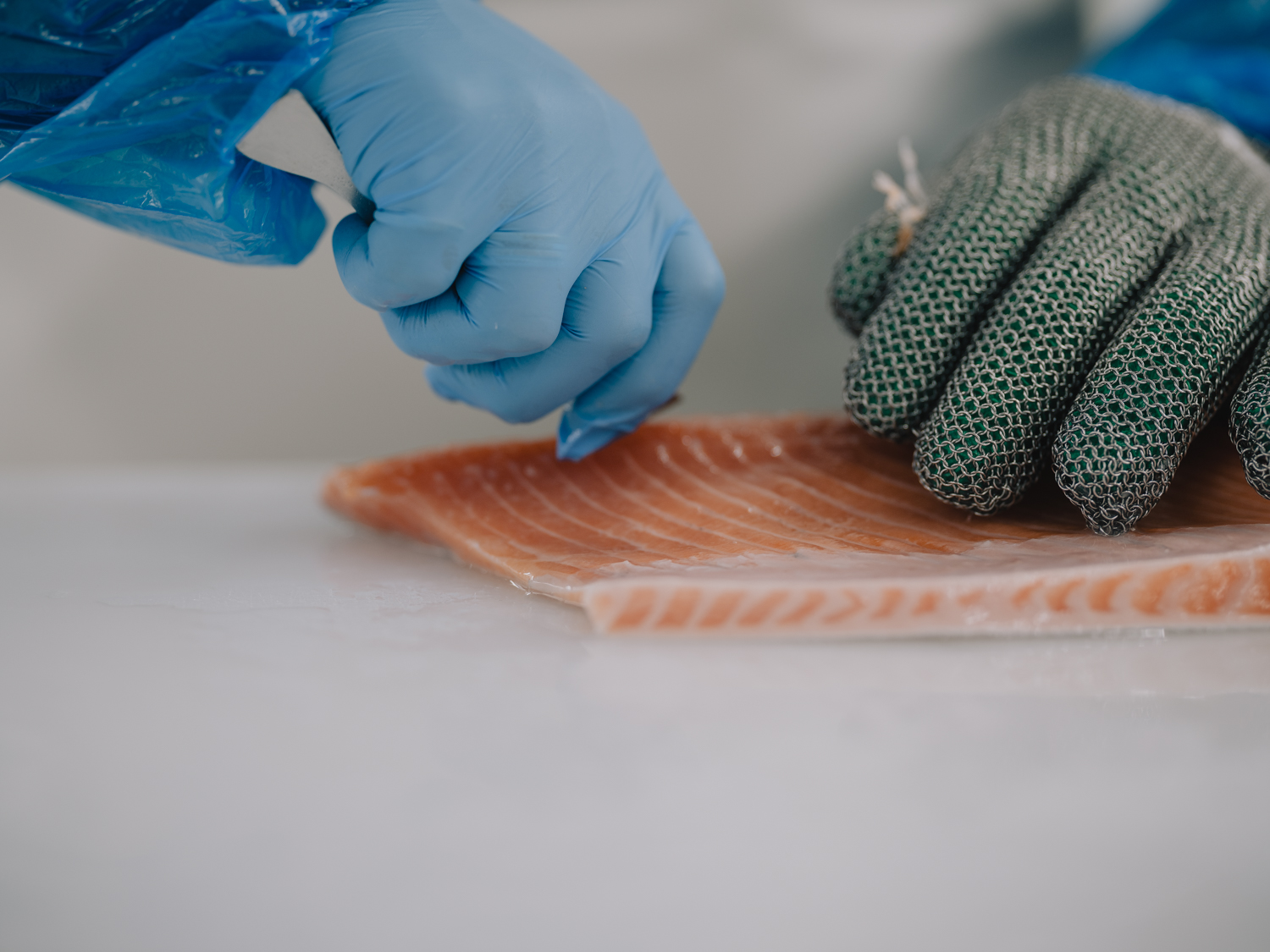
Some species, however, are bucking the trend and strengthening their appeal among consumers. Salmon is a clear example, with demand rising by nearly 10% over the past year, according to the same report. Furthermore, the Ministry’s 2024 Food Consumption Report highlights salmon as the most consumed fish outside the house, with per capita consumption increasing by 30% year-on-year to reach 0.22 kilograms per person.
Other species, such as tuna, are also well suited to the formats currently favoured by consumers: smoked, frozen, pre-cooked or ready-to-eat products; fillets, loins, steaks or preparations such as sushi. These products dominate frozen food and ready-meal sections in most supermarkets thanks to their convenience, ease of storage and quick preparation.
Ultimately, fish is not disappearing from our tables. What is changing is the way it reaches them.