02 Sep 2026
The Impact of El Niño on the Coast of Peru
Read more



While the city sleeps, there is a place where the day begins long before sunrise. When the clock strikes midnight, the Central Fish Market comes to life: the stalls get up and running, orders are prepared against the clock, pallet trucks move constantly through the aisles and hundreds of industry professionals arrive in search of the best products. Behind this frenetic pace lies a working day that few people know about, but which is essential so that, a few hours later, the product reaches fishmongers, hospitality businesses and distributors while still fresh.
With this first instalment, we are launching “From the inside”, a series in which we will focus on the different areas of Barrufet Seafood to discover how each one of them works. We begin with one of the most unique: a night at our stalls.
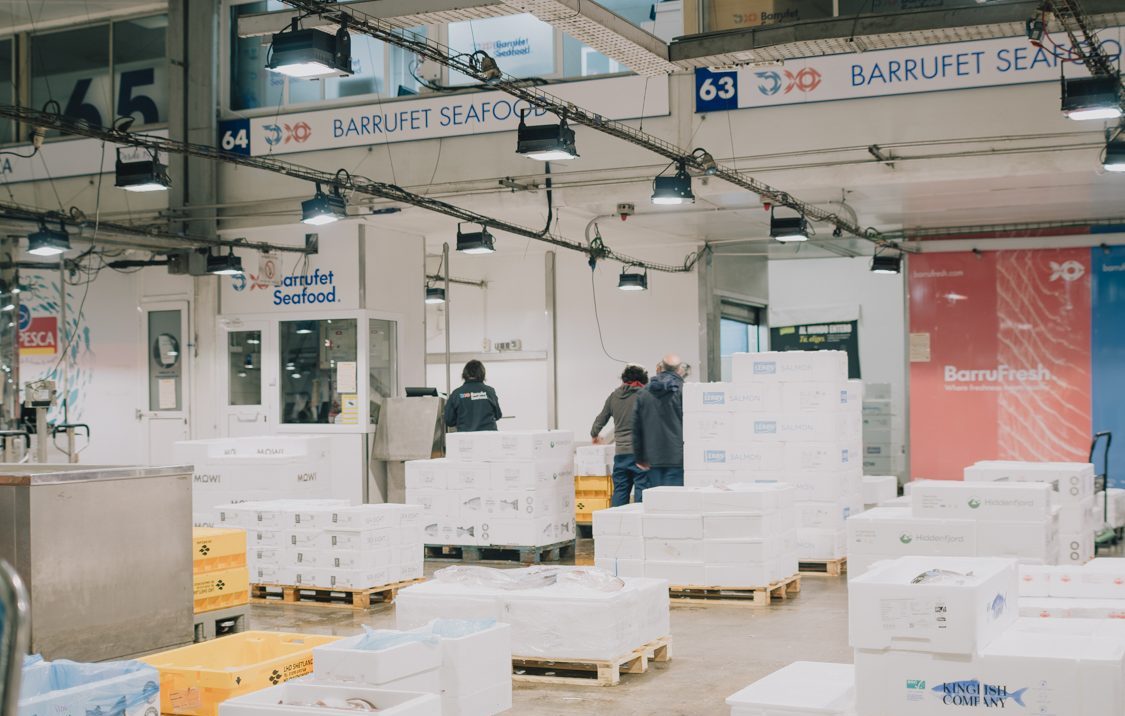
It is close to midnight and, although some shutters are still down, other hands are already working without pause. This is the case of Jose Luis, who enters the orders that have been coming in throughout the afternoon into the office computer. Meanwhile, downstairs, Dani, Marco, Patricio and Martín begin preparing the stall, which gradually fills with dozens of boxes of fresh products from different origins: from Norwegian or Faroese salmon to Scottish megrim or domestic monkfish tails.
The damp crunch of boots and the constant coming and going of pallet trucks create the soundtrack to an almost instant transformation. Within minutes, what were once empty stalls become a mosaic of boxes, colour and movement.
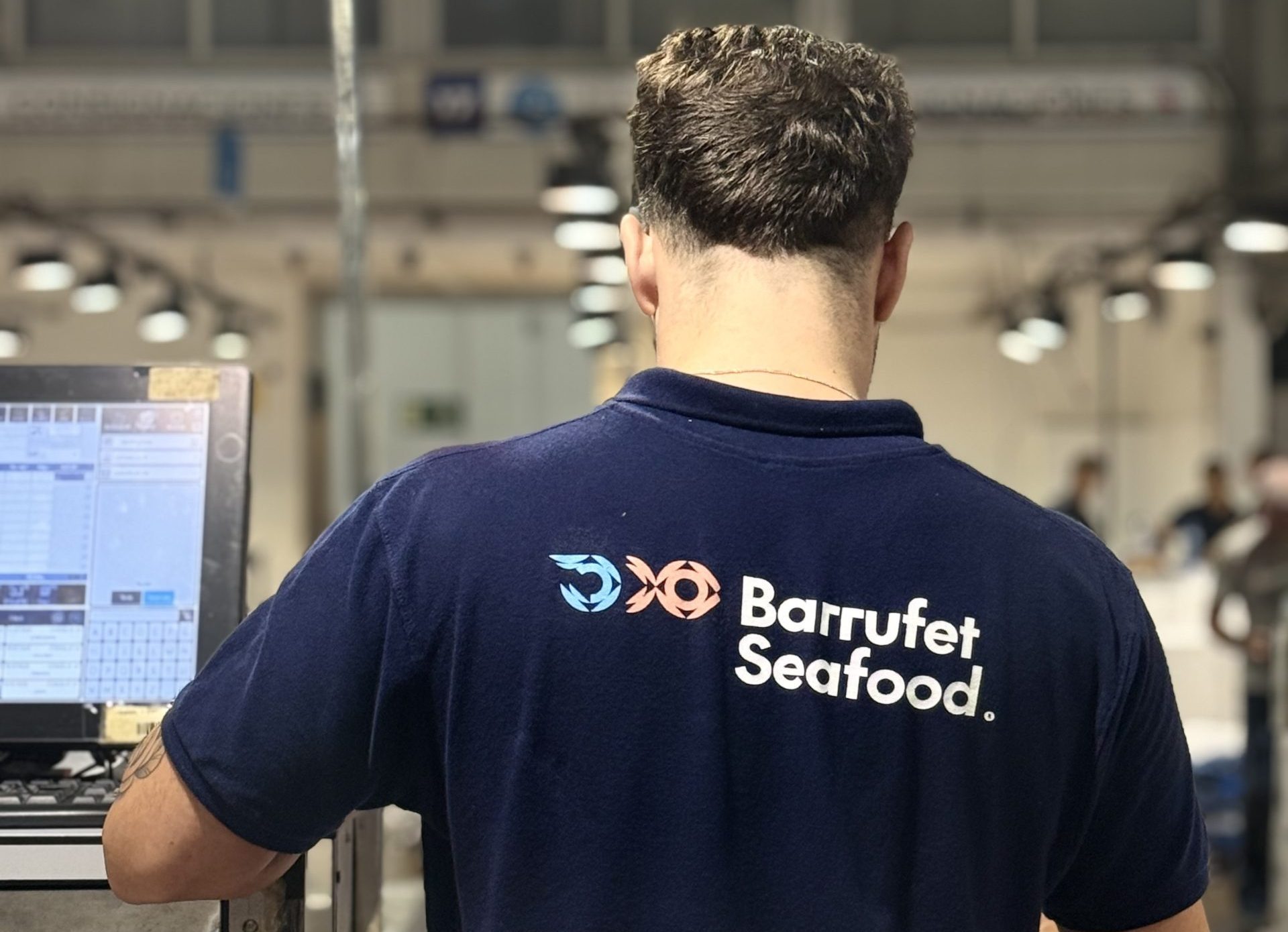
As the night progresses, the pace accelerates. Calls and voice messages keep coming in without pause, giving rise to new requests that the fresh products team organises on the go. Everything is recorded on the order sheet: product, size and quantity.
From that moment on, a routine begins in which precision is key. Each piece is weighed, checked to ensure the relevant quality controls are carried out and placed in the corresponding box under a layer of ice. At the same time, the data is entered into the POS system and delivery notes are generated so that, when the customer arrives, the delivery process is as quick and efficient as possible.
A large part of the products purchased every morning by the fresh division enters the market that same night and is then distributed among the different stalls. At the back, another member of the team takes care of one of the largest-volume orders that has just arrived. As every night, Dani distributes monkfish tails from Vigo into containers and leaves them ready for the carrier to collect a few hours later. It is just one of the many orders that will pass through his hands before dawn.
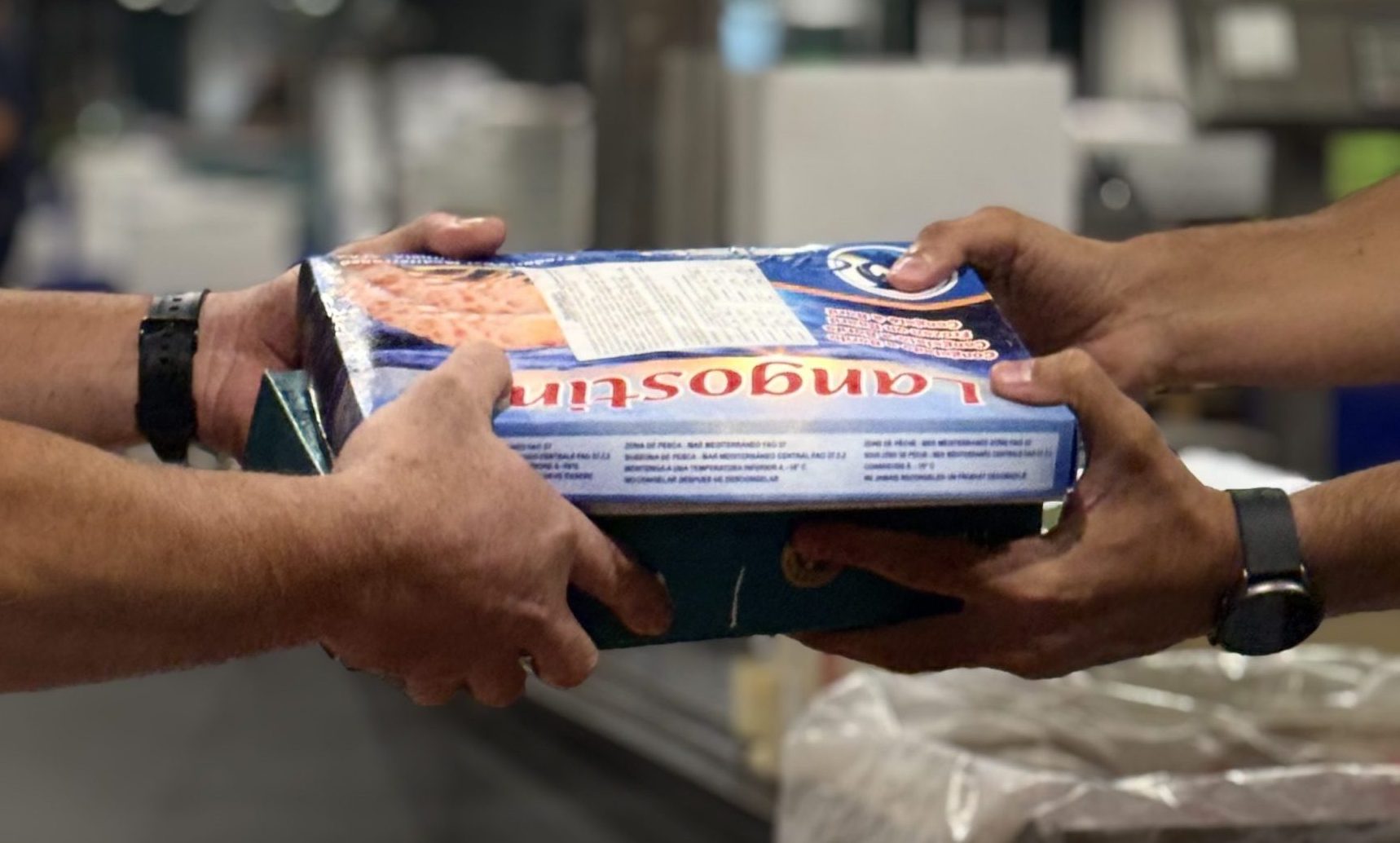
When the frozen products team begins setting up the stall, the first batch of boxes for their customers arrives from the warehouse and the pallets begin to occupy the space in the stall that was still empty. While Jose finishes entering the orders, Miguel and Juan place the samples in the freezer chest so that customers can see the products and carry out the picking process, distributing the goods among the different orders.
Within moments, everything is ready. The process is simple: the customer comes to the stall, collects their goods, completes the transaction and continues their route through the market. Some customers, due to the size of their orders, do not even collect them there; the product travels directly to their warehouse and they only come by to finalise the process.
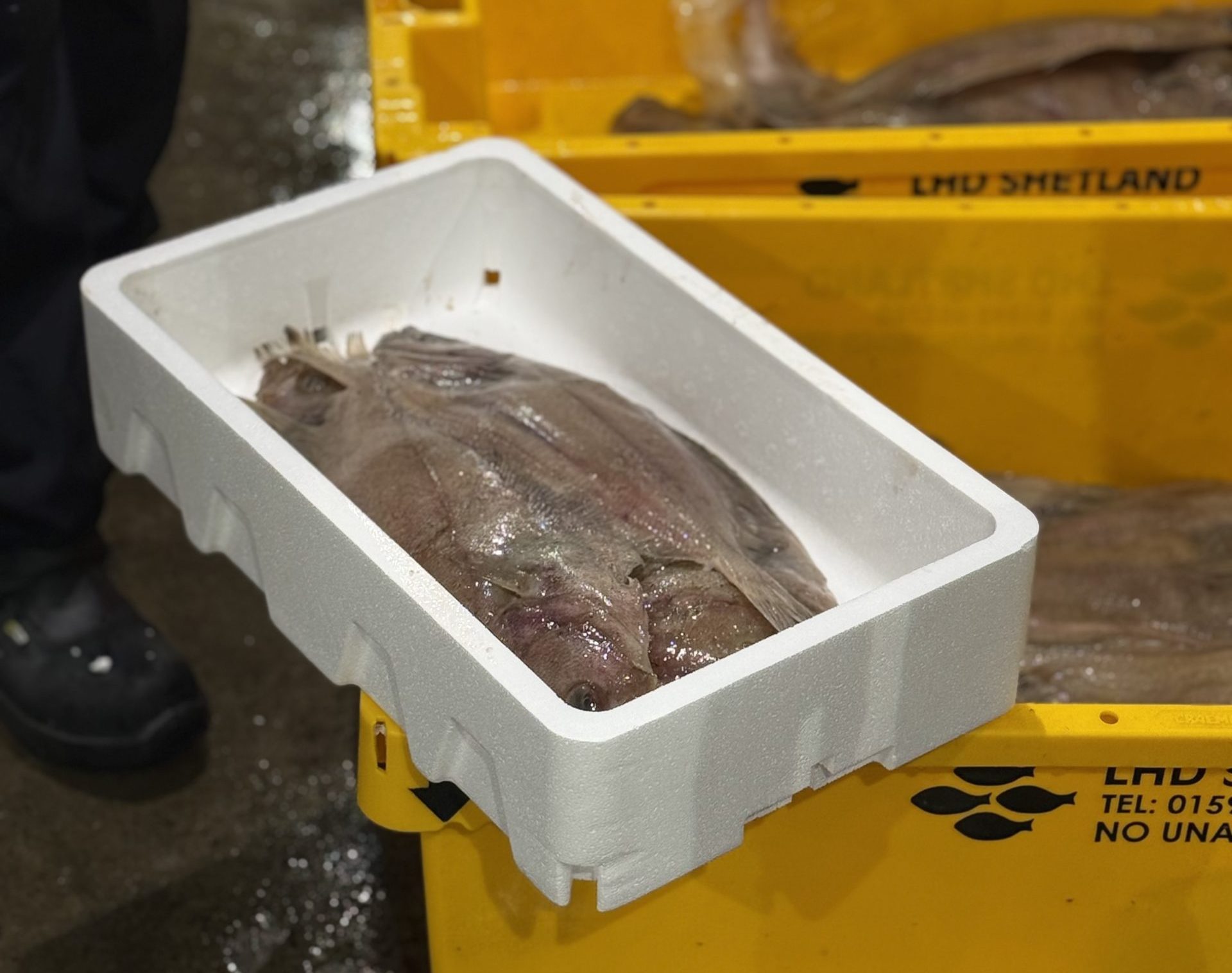
A second, third, fourth or even fifth shipment arrives from the warehouse to respond to last-minute orders. The beep of the scanner as each buyer’s card is processed breaks the constant murmur of the stall and sets the pace of collections.
Around 5:00, the trickle of customers becomes a constant flow, signalling the busiest moment of the night. The stalls fill with fishmongers and industry professionals who inspect the products with the familiarity of someone who has been doing it for years: a look at the gills, another at the shine of the piece and a slight pressure with the finger to check the texture are enough to give their approval.
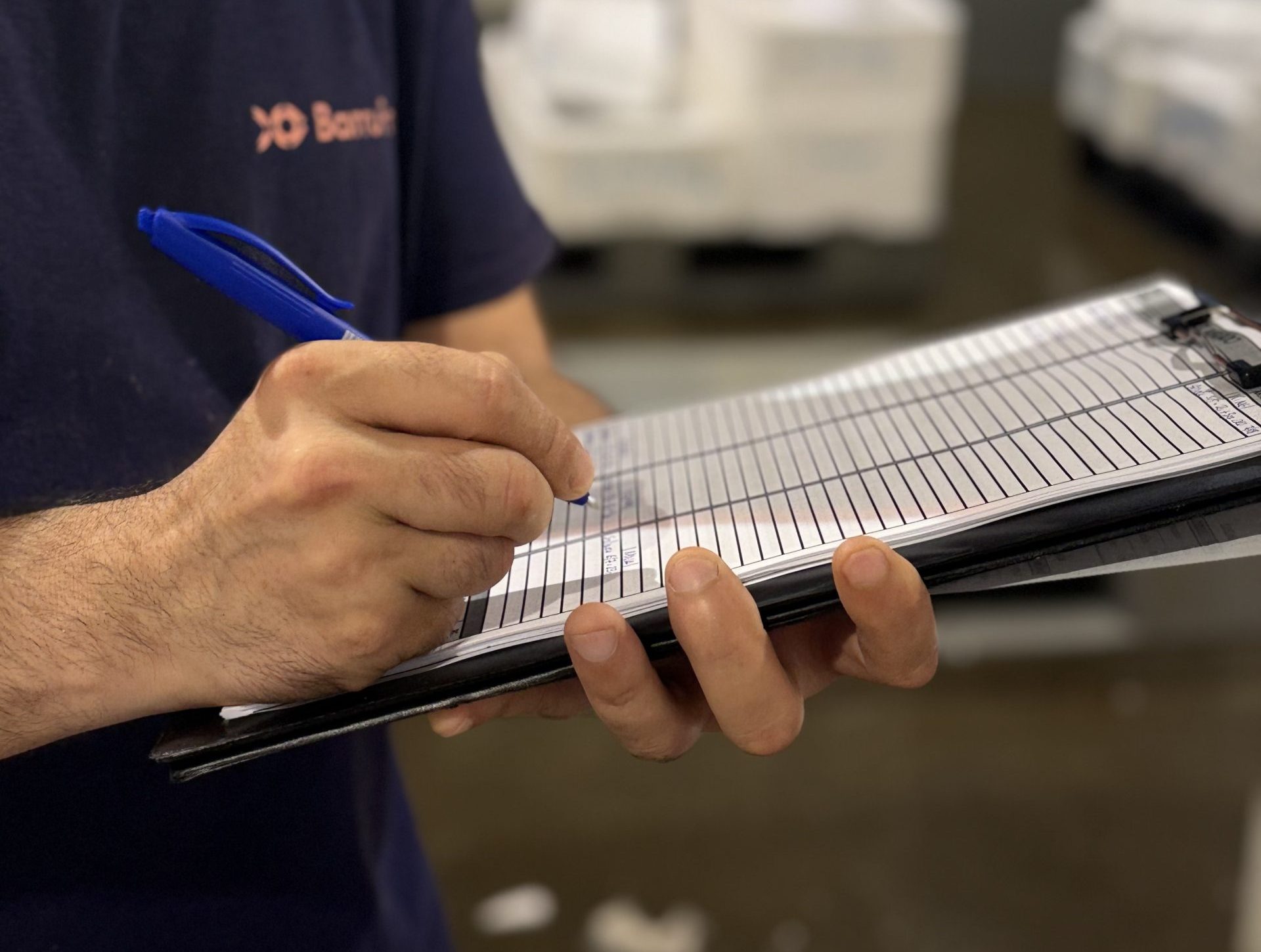
One hour before closing, the market begins to regain its calm, as do those who have been working for several hours. It is time to count the remaining stock in the stalls, which will return to the fresh and frozen chambers at the warehouse.
Dani takes a pen and paper and records everything. Jose, meanwhile, does the same with the frozen products. In the meantime, the rest of the team loads the last pallets onto the pallet truck and, once the stall is empty, they clean it thoroughly to leave it ready for the next working day.
The market closes its shutters, but activity continues. In the office, sales are reconciled and incidents are reviewed. The night concentrates the most visible part of the work, although much of it is built during the day, when orders are planned, needs are coordinated and, almost without realising it, everything starts again.
➡️At the market, the working day starts with a “good morning”. This is how they greet each other while it is still night outside.
➡️Not all orders arrive in advance. Some customers prefer to come directly to the stall and make their decision there and then.
➡️4:00 is the time for bargaining. It is the moment when many buyers compare prices between stalls before completing their purchase.
➡️Mondays and Thursdays are the busiest nights. Coinciding with the beginning of the week and the run-up to the weekend, there is barely time to stop. On the other hand, during the rest of the nights the pace slows down and allows time for a break and a sandwich.
➡️It is not all about written orders, calls and voice messages. Trust is also present in small gestures. Some customers walk into the stall singing: “A salmon!”, a scene as everyday as it is characteristic of the market.
➡️Although it is uncommon, not all products come from the stall. Only in exceptional cases are products purchased from other stalls to complete a specific order.
➡️Warehouse and stall operate as a single unit. Communication between both is constant to coordinate the arrival of products. Normally there are two deliveries per night, although on the busiest days there can be up to five.